
Audio-Technica ATH-M20x
4.6Editor score
Enhanced low-frequency tuning
Circumaural sound isolation
Convenient single-side cable
Our expert guide compares the 10 best closed back headphones for tracking, evaluating isolation, comfort, connectivity, monitoring clarity, durability, and
Closed back headphones for tracking must give performers a dependable way to hear music, vocals, and cues without leaking excessive sound into nearby microphones. The strongest options combine effective passive isolation with a balanced presentation, comfortable construction, and dependable wired connectivity suitable for interfaces, mixers, and other monitoring systems.
We compared ten real models using their stated specifications, construction details, compatibility, isolation features, driver characteristics, and supplied ratings. The list covers studio-focused options, portable choices, detachable-cable designs, and practical budget models, while paying particular attention to the needs of singers, podcasters, voice-over artists, and home recordists.
Each review identifies the reason the headphone belongs on the list and explains the compromises involved. The selections show that top-rated audio is not the only consideration: fit, cable design, microphone performance, and ease of monitoring can be equally important. Product listings and prices change, so confirm current specifications and availability before purchasing.
4.6Editor score

4.6Editor score
4.8Editor score
This side-by-side comparison highlights the principal differences in isolation, driver design, comfort, connectivity, and portability so recording artists can choose monitoring headphones that fit their setup and workflow.


The beyerdynamic DT 770 Pro is an 80-ohm closed-back studio headphone that combines a well-established monitoring format with strong practical isolation. Its 4.6 rating reflects a broadly favorable reception, while the supplied details highlight passive shielding for vocal booths, podcast desks, and loud rooms. It is particularly relevant when a click or backing track might otherwise be picked up by a nearby microphone.
We may earn a commission when you buy through this link, at no additional cost to you.
Its greatest strength is the balance between monitoring capability and physical separation. The closed-back shell helps contain sound, the velour ear pads provide a soft contact surface, and the spring-steel headband is designed for repeated daily work. Unlike lighter portable models, the 80-ohm version is intended to sound best when connected to an audio interface or headphone amplifier, although the listing also notes that it is loud enough from many laptops.
The fixed three-meter straight cable is the principal compromise. It is useful because there is no connector to loosen during a session, but it cannot be replaced independently or routed through a short cable as easily. The supplied quarter-inch adapter further suggests an interface-centered workflow, and some users may find the heavier, closed studio feel less convenient than a compact foldable model.
Choose the DT 770 Pro when reliable isolation, a comfortable over-ear fit, and a proven studio format matter more than maximum portability. It is an excellent all-around choice for tracking vocals, instruments, podcasts, and voice-over work, particularly when the connected computer or interface can supply appropriate output. The combination of isolation, replaceable pads, and straightforward monitoring makes it the strongest general recommendation in this guide.
The passive closed-back design helps keep click and mix out of nearby microphones, making the DT 770 Pro a practical choice for untreated recording spaces. This benefit depends on correct fit, so the earcups should sit fully around the ears without gaps.
Soft velour pads and a spring-steel headband support long sessions, while the replaceable cushion design extends the usable life of the headphone. It is a more permanent studio solution than a lightweight travel model.
We may earn a commission when you buy through this link, at no additional cost to you.
The Sony MDR7506 is a rugged closed-ear headphone with a 4.7 rating and a long-standing studio profile. Its 40mm neodymium drivers are described as powerful and detailed, while the closed-ear housing focuses on comfort and strong reduction of external noise. That makes it a logical choice for performers who need a clear cue mix in a room where silence is limited.
We may earn a commission when you buy through this link, at no additional cost to you.
Rugged construction is one of its most useful qualities for regular tracking. The headphone folds for storage or travel and comes with a soft case, reducing the chance of damage when moving between a rehearsal space, project room, and home studio. Its long fixed cable terminates in a gold-plated plug, and the included quarter-inch adapter supports connection to professional audio equipment.
The fixed cable and relatively substantial over-ear shape limit flexibility. Unlike detachable-cable models, a damaged cable cannot be swapped without replacing more of the headphone, and folding does not make the earcups small enough for every bag. The supplied information also describes the frequency response as 10Hz to 20kHz, but it does not provide detailed sound-signature measurements.
The MDR7506 suits singers, engineers, podcasters, and musicians who value a proven rugged design and strong noise reduction over a modular cable system. It is also attractive for mobile monitoring when the included case is useful. For a user who wants dependable construction, foldability, and detailed sound, it is a compelling tracking headphone with only modest compromises.
The rugged housing and foldable construction suit frequent use, and the included case helps protect the headphones during transport. This is useful for artists who regularly move between recording locations rather than keeping one fixed setup.
The closed-ear design is credited with strong reduction of external noise, helping the performer focus on cues. Secure coverage also helps limit environmental sound from entering the monitoring mix.
We may earn a commission when you buy through this link, at no additional cost to you.
The Sennheiser HD 280 Pro is a lightweight closed-ear headphone designed for monitoring, with up to 32dB of stated outside-sound attenuation. Its 4.5 rating, warm and natural sound reproduction, and extended frequency response make it a practical alternative to heavier studio models. The isolation figure is especially relevant for tracking vocals in rooms that are not fully treated.
We may earn a commission when you buy through this link, at no additional cost to you.
Comfort and serviceability distinguish this model. It uses an ergonomic over-ear layout with padded earcups, headband padding, and a replaceable audio cord. Collapsible earcups improve transport, while the replaceable ear pads, headband padding, and wire allow worn components to be renewed rather than requiring a complete replacement.
The supplied 3.3-meter coiled cable can occupy more bag space than a straight cable, and the stated cord length is also described as 9.8 feet, creating some ambiguity about the included lead. Its passive attenuation does not make it a true active noise-cancelling model, and actual performance will depend on the fit of the cushions and the character of the surrounding noise.
Buy the HD 280 Pro for users who want substantial isolation, a lighter design, and replaceable parts without moving to a premium studio model. It is well suited to podcasting, voice-over, and location recording where comfortable long sessions and compact storage matter. For users who maintain their equipment carefully, its serviceable design is a meaningful long-term advantage.
The stated attenuation of up to 32dB makes the HD 280 Pro compelling when room noise could distract a performer. A complete seal around the ears is essential for achieving the most consistent isolation.
The lightweight, ergonomic frame and padded earcups reduce the bulk often associated with studio headphones. Replaceable pads and headband padding make long-term maintenance more practical.
We may earn a commission when you buy through this link, at no additional cost to you.
The Audio-Technica ATH-M20x is a professional studio monitor headphone that offers a particularly approachable route into closed-back tracking. It carries a 4.6 rating and uses 40mm drivers with rare-earth magnets and copper-clad aluminum wire voice coils. The supplied details specifically note enhanced low-frequency performance, useful when a performer needs fuller cues in the lower register.
We may earn a commission when you buy through this link, at no additional cost to you.
Its circumaural design contours around the ears and provides sound isolation in loud environments. That architecture helps a singer or instrumentalist hear the backing track without the headphone acting as a prominent sound source near a microphone. The single-side cable exit also avoids a cable running across one side of the face, which can be helpful during long takes.
The main limitation is its fixed cable. A user cannot replace a damaged lead independently or choose an alternative cable length. It also offers fewer visible service and convenience features than models with detachable wires, folding earcups, or included mobile controls, although those omissions are not serious drawbacks for a focused studio installation.
The ATH-M20x is a strong recommendation for budget-conscious home recordists, podcasters, and musicians who want a recognizable studio headphone format with solid isolation and useful bass extension. It works particularly well for tracking in a room where environmental noise would otherwise make cue monitoring difficult. For straightforward wired monitoring without premium extras, it provides an effective balance.
The ATH-M20x is tuned for enhanced low-frequency performance, helping performers hear bass cues and fuller instrumental foundations. This can make a click or backing track easier to follow without requiring a separate subwoofer.
The close circumaural fit helps reduce environmental noise using passive construction. It remains a simple wired headphone, so there is no battery, charging routine, or wireless latency to manage.
We may earn a commission when you buy through this link, at no additional cost to you.
The Audio-Technica ATH-M50x is among the most versatile professional monitoring headphones in this group. Its 4.7 rating, critically acclaimed sonic performance, and 45mm large-aperture drivers support a strong case for accurate, extended monitoring. The manufacturer description emphasizes exceptional clarity and deep, accurate bass response, both valuable qualities for judging a take in context.
We may earn a commission when you buy through this link, at no additional cost to you.
The 90-degree swiveling earcups support a particularly useful tracking workflow: one cup can rotate away from the ear for quick one-ear monitoring. This lets a performer compare the incoming vocal with the instrumental mix without fully removing the headphone. A circumaural design provides isolation in loud environments, while professional-grade earpad and headband materials are intended to balance durability and comfort.
The detachable cable is a major practical advantage over fixed-cord competitors. A damaged wire can be replaced, and cable length or routing can be adapted to the recording environment. The tradeoff is that the appropriate cable must be chosen for the interface, mixer, or other connection, and the included leads are not interchangeable with every other headphone on the market.
The ATH-M50x suits home studios, project rooms, rehearsal spaces, and users who want a single headphone for tracking and later critical listening. It is particularly valuable for performers who routinely use one-ear cue monitoring. Its blend of strong isolation, flexible cable management, swivel design, and high rated performance makes it an excellent general-purpose professional choice.
The swiveling earcups let one side open for fast comparison between a live performance and the backing track. This can help singers balance pitch, phrasing, and volume while remaining in the recording booth.
A detachable lead reduces the impact of cable damage and allows the connection to suit different interfaces. Users can also choose a shorter or longer cable according to the distance between the monitoring desk and the performer.
We may earn a commission when you buy through this link, at no additional cost to you.
The beyerdynamic DT 270 Pro is a closed-back wired studio headphone intended for straightforward recording and podcast monitoring. Its 4.4 rating places it below several competitors in overall user response, but the supplied product information presents a focused package: passive isolation, a three-meter cable, soft grey pads, and compatibility with audio interfaces, laptops, and mobile devices.
We may earn a commission when you buy through this link, at no additional cost to you.
The most compelling tracking feature is its ability to keep a click track out of a nearby microphone. That passive separation makes the headphone suitable for performers who need a cue but do not have a fully isolated vocal booth. A wired connection also provides zero latency, ensuring that the monitoring signal arrives in step with the performance.
The fixed cable and direct interface orientation reduce flexibility. Unlike the ATH-M50x, it does not offer a detachable lead, and unlike the Sony MDR7506, it is not described as folding for travel. It is therefore most convincing as a dedicated studio headphone for a stable interface-based setup rather than a highly mobile system.
Choose the DT 270 Pro when passive click-track isolation and a simple wired connection are the main priorities. Its lightweight construction and soft pads suit recording and podcast sessions, while the lack of wireless features keeps setup straightforward. Although it is not the strongest choice for every recording situation, it addresses the core tracking problem with a focused and approachable design.
The direct wired connection avoids wireless delay and is well suited to interfaces, laptops, and mobile devices. Performers hear cues in real time, which is essential when recording in time with music or a click.
Passive closed-back shielding helps keep the click from reaching a nearby microphone. The result is more practical for home recording and podcasting than an open headphone, which can radiate far more of the monitoring signal.
We may earn a commission when you buy through this link, at no additional cost to you.
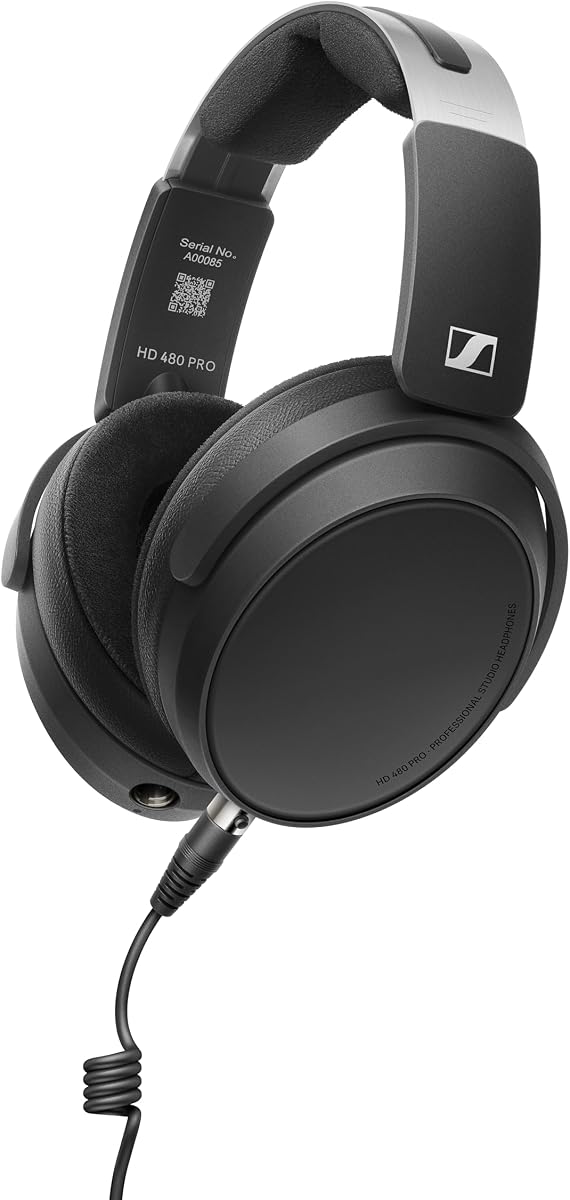
The HD 480 PRO is the premium-oriented selection in this guide, combining advanced Sennheiser engineering with a 4.8 rating—the highest supplied rating among these ten headphones. Its closed-back architecture is designed for accurate, full-spectrum monitoring, using neodymium drivers and an ultralight voice coil to support clarity and controlled low-end response.
We may earn a commission when you buy through this link, at no additional cost to you.
Isolation receives particular attention. Multi-stage passive shielding and a Vibration Attenuation System are intended to reduce distortion and leakage, which can make it easier to monitor a click or mix beside a microphone. The design also includes angled earcups, a precision fit, and grooved pads designed to improve comfort for wearers who use eyeglasses.
Studio versatility extends to the connection system. Dual left and right jacks and a detachable cable allow the setup to adapt to different interfaces and production environments, while a patented cable coil is intended to block noise. The headphone is engineered in Germany and hand-assembled in Romania, giving it a more specialized construction than simpler portable alternatives.
The HD 480 PRO is aimed at serious recordists, professional performers, and users who prioritize isolation, precise monitoring, and long-term comfort. It is particularly useful when minimizing leakage is essential or when the user works around eyeglasses for extended periods. Although it represents the premium commitment of the group, its combination of isolation, serviceable connectivity, and top listed rating supports the higher-tier recommendation.
Multi-stage passive shielding works together with the Vibration Attenuation System to reduce leakage and distortion. This gives vocalists and podcasters a better chance of keeping monitoring sound out of nearby microphones.
Grooved ear pads and angled earcups are designed to reduce pressure points and help prevent gaps around glasses. The result is a more stable seal, which supports both comfort and passive isolation.
Dual left-right connectors give the user more control over how the detachable cable is routed and connected. The patented cable coil also serves a practical noise-control function in demanding studio environments.
We may earn a commission when you buy through this link, at no additional cost to you.
The FIFINE HD8 is a wired studio monitor headphone that combines large 50mm drivers with an unusually broad set of connection options for an entry-level model. It has a 4.5 rating, and its stated 20Hz–20kHz frequency range, dynamic bass, stable mids, and accurate treble position it as a general-purpose option for music, mixing, DJ work, and recording monitoring.
We may earn a commission when you buy through this link, at no additional cost to you.
For tracking, the circumaural closed-back design supplies passive noise cancellation by reducing environmental sound, especially higher-frequency noise. The detachable cable system includes two 9.8-foot DJ-style coiled leads with 3.5mm and quarter-inch plugs, allowing use with mixers, audio interfaces, microphones with headphone outputs, and compatible Xbox hardware without an additional adapter.
Comfort is supported by an adjustable headband, soft pads, and a listed weight of 265 grams. The product details also emphasize user-friendly adjustability, while the detachable format allows the ear cup to turn to one side for monitoring. The coiled leads can, however, take up more room in a bag, and the isolation claims are less quantified than the 32dB figure published for the Sennheiser HD 280 Pro.
The HD8 is a good fit for a new recordist who wants a complete and adaptable wired package without moving to a premium studio model. Its broad driver size, dual cable options, and light weight make it especially convenient for podcasting, voice-over, DJ cueing, and home recording. Choose it for flexibility and comprehensive accessories, while recognizing that advanced users may prioritize more specific isolation or acoustic tuning.
Two detachable coiled cables cover common 3.5mm and quarter-inch connections, reducing the need for adapters. This makes the headphone easy to move among a mixer, interface, mobile device, and compatible console.
The 50mm drivers are described as delivering dynamic bass, stable mids, and accurate treble. A broad 20Hz–20kHz stated range helps performers judge both low-end weight and high-frequency detail.
At a listed 265 grams, the HD8 places less visual and physical bulk on the head than many traditional studio models. Soft cushions and adjustable headband padding support longer creative sessions.
We may earn a commission when you buy through this link, at no additional cost to you.
The AKG Pro Audio K72 is a straightforward over-ear, closed-back headphone with 40mm drivers. Its 4.4 rating is among the lower scores in this list, but the product remains relevant to tracking because of its high-sensitivity, high-output design and compatibility with both professional equipment and portable devices. The included quarter-inch steel adapter supports common studio connections.
We may earn a commission when you buy through this link, at no additional cost to you.
Closed-back circumaural construction serves the central requirements of a tracking headphone: it covers the ears and reduces the amount of environmental sound entering the mix. High sensitivity can also make monitoring more effective at lower output levels, which can be useful in a home studio or portable setup where excessive volume is undesirable.
The supplied information is much less detailed than for the other models and does not describe the cable length, pad materials, swivel behavior, or measured isolation. Buyers should therefore treat the K72 as a simpler option rather than expect advanced one-ear monitoring, detachable wiring, or quantified noise attenuation. The included steel plug and screw-on adapter are durable basic accessories.
The K72 is best for a straightforward user who needs reliable closed-back monitoring and values broad device compatibility over specialized features. It may suit a musician connecting to a portable device, a student learning tracking techniques, or a home recordist who wants a direct wired headphone without wireless controls. It is a functional option, though the richer feature sets of several alternatives may better serve intensive studio use.
The high-sensitivity, high-output design can make cues easier to hear at lower listening levels. That is useful for performers who want clear monitoring without pushing the volume excessively.
The quarter-inch adapter supports a broad range of studio equipment, while the eighth-inch plug allows use with compatible portable devices. This makes the K72 a simple bridge between rehearsal and recording environments.
We may earn a commission when you buy through this link, at no additional cost to you.
The Sennheiser HD 569 is a closed-back, around-ear headphone with a 4.5 rating and a focus on home, mobile, and studio listening. Its proprietary 38mm, 23-ohm transducers provide the familiar low-impedance wired format, making it suitable for laptops, phones, audio interfaces, and other sources that can drive headphones directly.
We may earn a commission when you buy through this link, at no additional cost to you.
The included cable system is unusually useful for tracking on the move. A three-meter detachable lead ends in a 6.3mm jack for professional equipment, while a 1.2-meter detachable lead uses a 3.5mm plug and includes an inline microphone and remote for calls and music control. A performer can therefore switch to a short mobile-friendly cable without carrying an additional headset.
Soft, replaceable ear pads support comfort and long-term upkeep. The closed, around-ear design also provides more environmental separation than an on-ear model, although the supplied information does not state a numerical isolation level. As a wired audiophile-style headphone, it is less compact than a folding travel design and less specialized for one-ear studio monitoring than models with swiveling cups.
The HD 569 suits musicians who track in different locations or need a headphone that can switch between interface and mobile-device duties. It is also a logical choice for listeners who want a closed-back headphone for both focused work and regular music enjoyment. Its detachable two-cable package, replaceable pads, and low-impedance transducers make it a versatile closed-back option outside a permanent studio.
The long quarter-inch lead suits a desk or studio, while the short 3.5mm cable is convenient with portable devices. Both are detachable, allowing the headphone to adapt without carrying one permanently attached cord.
The included short cable has an inline microphone and remote for call and music control. This is useful for checking a recorded idea or communicating with collaborators without changing headphones.
Soft, replaceable ear pads improve comfort and allow worn cushions to be renewed. Their over-ear shape also creates a more encompassing fit than a compact on-ear alternative.
We may earn a commission when you buy through this link, at no additional cost to you.
The right tracking headphone should combine dependable isolation, an accurate and understandable sound, a stable fit, and a connection that suits your recording equipment. These factors matter more than decorative features or wireless convenience for most vocalists, podcasters, and instrumentalists.
Prioritize a model whose cups fully surround the ears without pressing painfully against a glasses frame. Performers who record beside a vocal microphone should test whether headphone bleed remains acceptable in their room. A closed-back design will not behave like an active noise-cancelling headset, but it can still reduce distracting environmental noise and keep cues from being captured as prominently.
Choose a sound that remains understandable when the recording is quiet and does not fatigue the ears during long takes. Performers should also account for how the headphone's isolation changes the perceived balance of a mix. Closed-back models often make close-miked vocals more prominent, so tracking and later critical listening can benefit from using more than one reference headphone when budget permits.
Match impedance and sensitivity to the output source rather than choosing only by driver dimension. An interface with a proper headphone amplifier provides the most predictable level and control, while low-impedance headphones are convenient for mobile use. Check connector requirements as well, because quarter-inch studio connections, 3.5mm consumer connections, and amplified headphone outputs are not interchangeable without the correct lead or adapter.
Consider cable length, connector size, and routing before buying. A long straight cable can be inconvenient in a small booth, while a coiled cable saves desk space but takes up more bag room. Mobile performers may prefer the HD 569's short cable with inline microphone and controls. Studio users should confirm that included adapters fit their interface and that any replacement cable uses compatible connectors and electrical characteristics.
Look for adjustable headbands, adequately padded contact points, and replaceable cushions when possible. The DT 770 Pro and HD 280 Pro both highlight replaceable wearing components, extending service life. Users who wear glasses should pay particular attention to the pad profile and cup articulation. A comfortable headphone should remain stable when the performer turns, moves, or removes one cup for a quick monitoring check.
Decide which workflow dominates your recording. A vocalist may value one-ear comparison, while a podcast host may prioritize the inline microphone on a short mobile cable. A location recordist may need folding construction and a protective case. Features are most useful when they remove a recurring obstacle, so consider whether you routinely monitor beside a microphone, move between rooms, or need to take calls from the same headphone.
Consider the intended environment before interpreting ruggedness. A fixed studio headphone can remain safely connected to the same interface, whereas a frequently transported model benefits from folding earcups, a protective case, and detachable wiring. Cable strain relief, connector strength, pad durability, and headband adjustment all contribute to serviceability, even when the listing does not provide a detailed cycle-life specification.
Create a realistic connection list before buying: studio interface, mixer, laptop, phone, tablet, and portable recorder. Check whether the headphone needs an adapter, whether the output is designed to drive headphones, and whether a short cable is available for mobile use. A headphone that sounds excellent but cannot be connected conveniently to the actual source is less useful for tracking than a simpler model that integrates cleanly into the workflow.
Begin by matching the headphone output to your recording source. Connect the appropriate cable to the audio interface or mixer, set the interface gain to a conservative level, and raise the headphone volume gradually. If the headphone is specified for an amplifier, use the intended interface output rather than driving it with an unsuitable source. For mobile work, confirm that the 3.5mm connection is suitable and that any inline microphone or remote is compatible with the device.
Establish a repeatable monitoring level before recording. Play the same reference track at the level you will use for the session, and avoid changing the volume substantially between takes. Keep both earcups properly positioned for isolation during normal tracking. When using a one-ear workflow, remove the cup only for the comparison that requires it, then return it to the closed position before capturing the final performance so the next take is monitored consistently.
Store the headphone in a dry, uncluttered place, protect the pads from crushing, and avoid pulling sharply on a fixed or detachable cable. Clean removable cushions gently according to the manufacturer's care guidance, and keep moisture away from the drivers and connectors. Replace worn pads or damaged cables early, check the fit before important sessions, and confirm current equipment compatibility whenever the setup or source device changes.
Yes. Their closed earcups reduce environmental noise and help limit how much playback sound leaks into a nearby microphone. They are especially useful for singers, podcasters, and voice-over artists working in untreated rooms. Performance still depends on a secure fit, appropriate monitoring level, and the microphone technique used in the room.
The best match depends on the output device. The 80-ohm DT 770 Pro is intended to perform best with an audio interface or headphone amplifier, while the 23-ohm HD 569 is more naturally suited to computers and portable devices. A proper headphone output provides cleaner control, so check the specifications of the interface or mixer before making a final choice.
No, but it adds flexibility. Detachable cables can be replaced after damage, routed to suit the room, and chosen for different connection types. The ATH-M50x, HD 480 PRO, FIFINE HD8, and HD 569 include this feature. Fixed-cable models such as the DT 770 Pro, DT 270 Pro, and Sony MDR7506 can still work very well in a stable studio.
The amount needed depends on room noise, microphone sensitivity, and how close the vocalist stands to the microphone. Even basic closed-back models can reduce leakage compared with open headphones, but a tighter fit and better-specified seal improve results. If headphone bleed remains prominent, use a shock mount, adjust microphone placement, and create distance between the headphone cable and the recording chain.
Many can, including most models in this guide, although output level and impedance still matter. The DT 770 Pro is described as loud enough from many laptops but sounds best from an interface or amplifier. Low-impedance models such as the HD 569 are particularly convenient for portable equipment. Use the correct plug or adapter and avoid setting the software volume too high before connecting the headphone.
Closed-back headphones are usually better when isolation and low leakage are priorities. Open-back models can provide a more spacious, natural sound, but they allow more sound in both directions and are less suitable beside an open microphone. For tracking a performance in a shared or untreated room, the reduced leakage of a closed-back design usually provides a more practical workflow.
It depends on the task. One-ear monitoring can help a singer compare their pitch and volume against the backing track, which is why the ATH-M50x's 90-degree swiveling cups are useful. Some engineers also monitor with one cup open to preserve room awareness. The important point is to return the headphone to a consistent monitoring position before capturing the final take.
Start by choosing a model with a lightweight, adjustable design and replaceable pads. The HD 280 Pro, ATH-M50x, and HD 480 PRO all place emphasis on ergonomic construction, while grooved pads on the HD 480 PRO are intended to help users who wear eyeglasses. Correct positioning, moderate volume, short setup breaks, and clean pads can also reduce pressure and fatigue during extended sessions.
The beyerdynamic DT 770 Pro stands out as the best overall option because it combines effective passive isolation, replaceable velour pads, and a proven 80-ohm studio format. The Audio-Technica ATH-M20x delivers the best budget combination of isolation, enhanced low-end tuning, and straightforward monitoring, while the HD 480 PRO takes the premium position with advanced shielding, flexible connectivity, and the highest supplied rating.
Prioritize the factor that affects your actual sessions. Vocalists should give isolation and one-ear workflow priority, podcasters may value a short cable with inline controls, and location recordists may prefer folding construction and detachable wiring. Confirm source compatibility, monitor at a stable level, and consider using a second reference headphone for mixing if your budget permits.
Ratings, included accessories, and product availability can change over time, while store pricing also fluctuates. Before purchasing, verify the current connector type, impedance needs, cable details, isolation claims, and fit on the supplied listing. That final check ensures the chosen closed-back headphone works as an integrated part of your recording setup rather than merely seeming suitable on paper.